
A philosopher’s teahouse
The personal website of Hu Yilin, open since 2005: more than 1,300 posts in eight topics, each with a look of its own.
Eight topics, each with a look of its own. Pick a board and step in.
Shake the cup to draw a post to read.Recent posts and those in a series come up more often.
Recent writing
All posts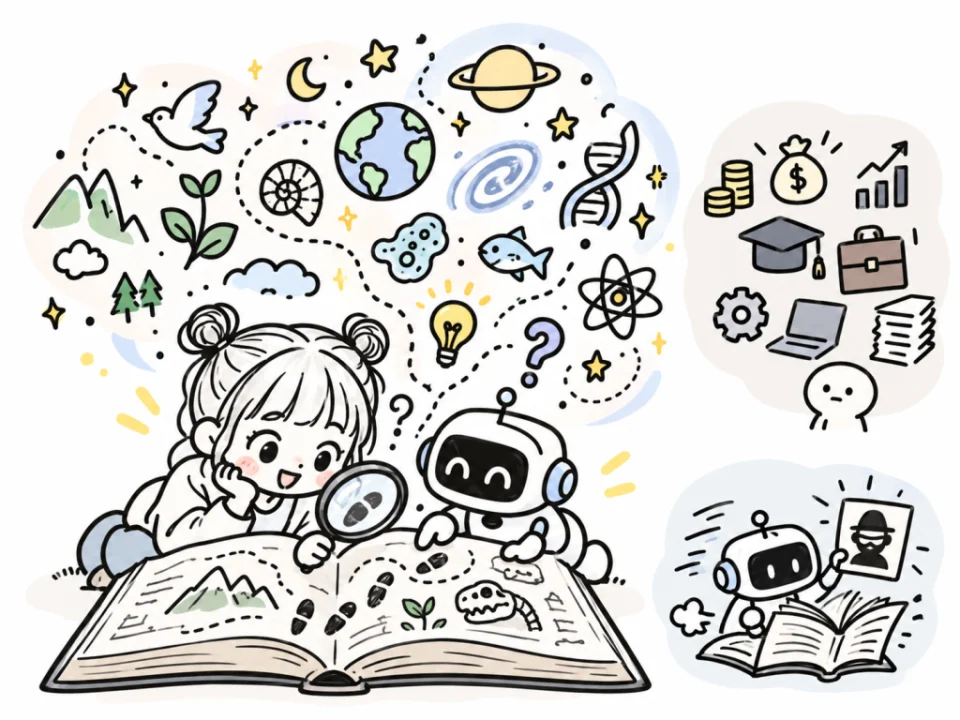 Philosophy of Technology & AIReviving the Original Aspiration to Seek Knowledge: In the Age of AI, Everyone Is a Scientist — Call for Entrepreneurial PartnersMy student Shen Cong and I are starting a business, and we want to build a company that makes scientific exploration fun with AI applications. As everyone knows, AI is…2026.10.02
 Life & NotesThe Philosophy of Raising Children (I): How to Reason with ChildrenMy daughter is already four and a half. I never “show off my kid” in public…2026.09.25
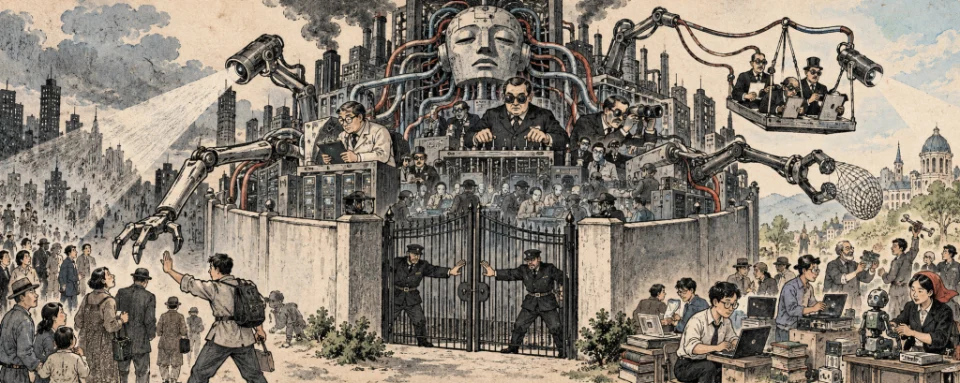 Philosophy of Technology & AILet Despotism Stop at the Factory Gate—On Anthropic’s AI Safety PoliticsOn September 12, 2026, Anthropic CEO Dario Amodei published “We Must Pace the Frontier,” calling for…2026.09.15
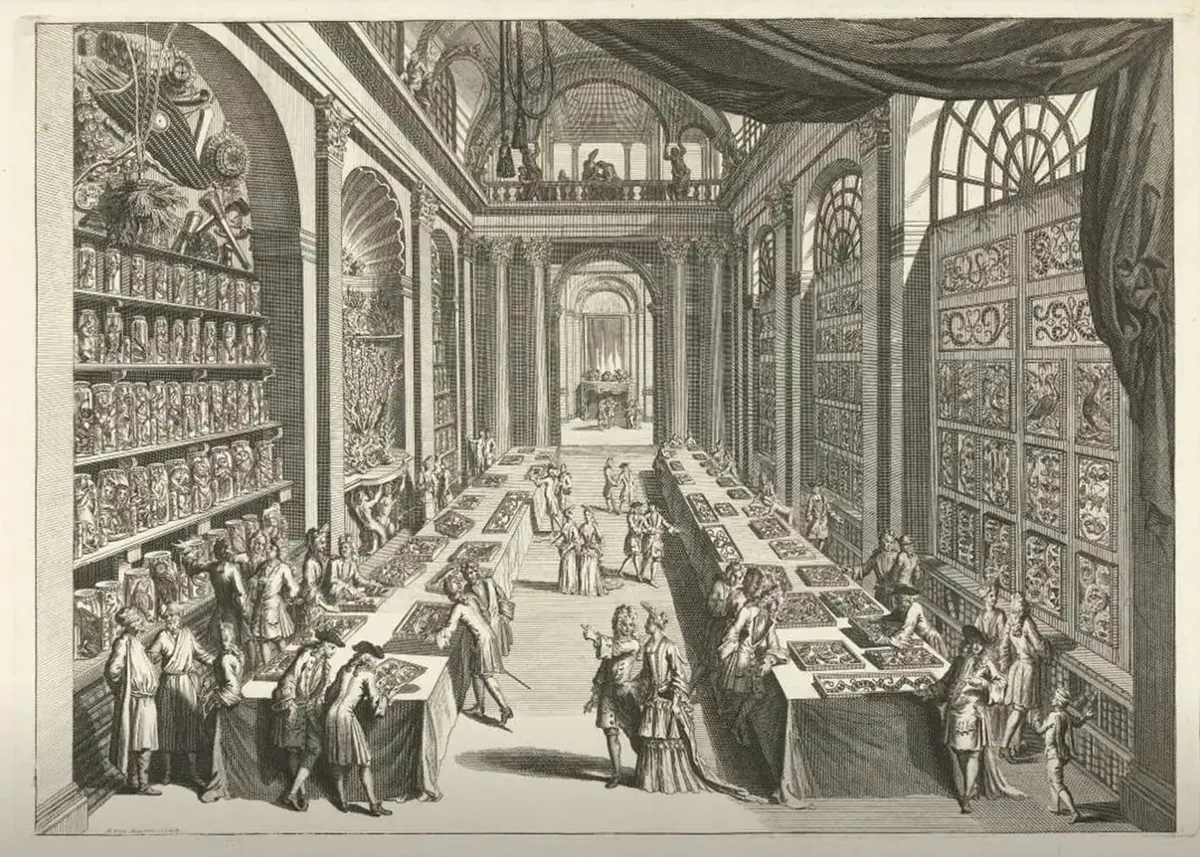 History of Science & ScholarshipPlease Touch, Please Do Not Touch: Hands in the MuseumPublished in China Science Daily, Friday, September 11, 2026. AI was used in this article mainly…2026.09.12
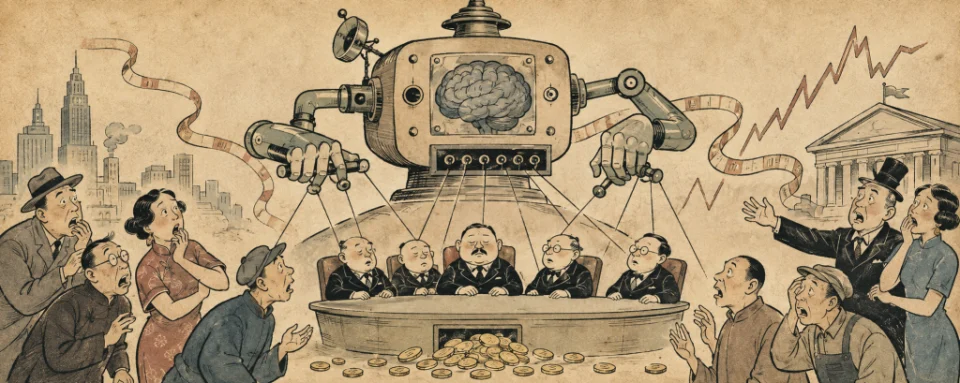 Web3 & CypherpunksDo We Still Need Central Banks in the Age of AI? — Why Should a Small Clique Still Decide the Global Market?At the Jackson Hole Economic Policy Symposium in August 2026, Princeton University economist Markus Brunnermeier proposed…2026.09.02
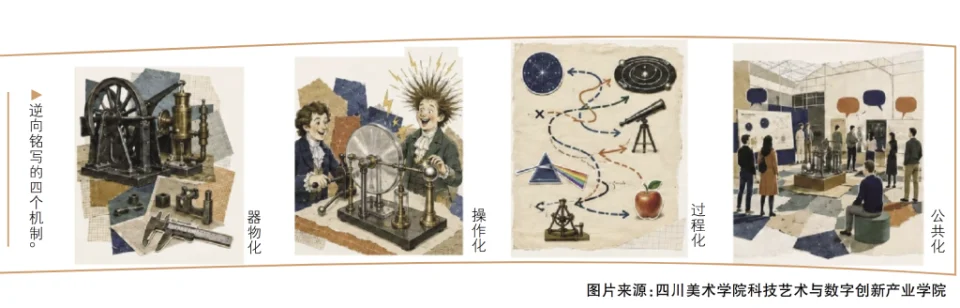 History of Science & ScholarshipFrom Inscription on the Page to Spatial Exhibition: Why Art and Science Need to Meet Again2026.08.27
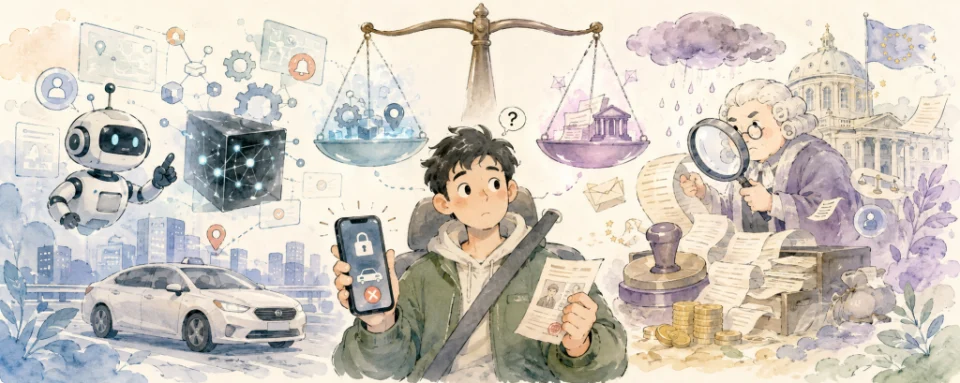 Culture & Public CommentaryMachines Can Ban Accounts, and Regulators Must Also Explain—On the Uber Case and the GDPR2026.08.24
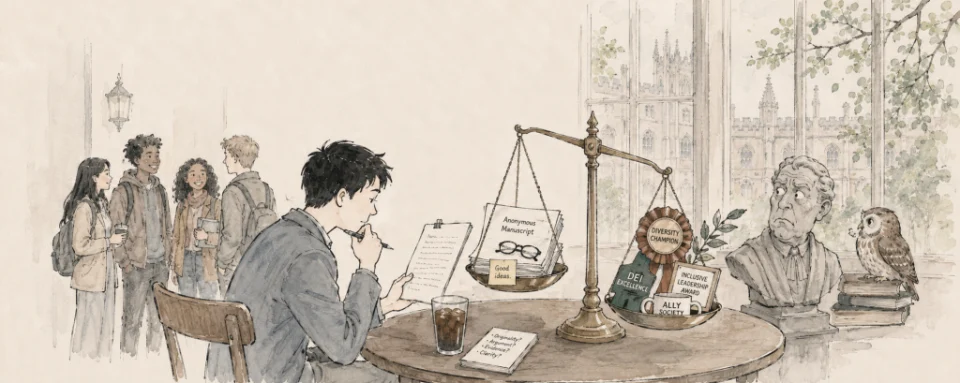 Culture & Public CommentaryDEI Must Start from Equality for All (Starting from the A’erdai Incident)2026.08.18
 Philosophy & ThoughtAI, Freedom, and the Formation of the Self2026.08.15
 This week in earlier years
What I wrote in early October of other years
- 200510.08What makes us human is, quite simply, that only humans can restrain beastliness with reason, thereby sublimating human nature into sensibility.Life & Notes
- 200710.06[France] Michel Manson: “The Eternal Toy”Culture & Public Commentary
- 200910.09Notes from Today’s Xin Dao Salon 09-10-03Life & Notes
- 201410.11Bitcoin’s Value Depends on Holding ItWeb3 & Cypherpunks
- 201710.02The First Reading Group of the New SemesterLife & Notes
- 201910.05Is an E-cigarette a Cigarette?Philosophy of Technology & AI
- 202209.30Huawendao White Paper, Version 2.1.1Web3 & Cypherpunks
Selected series
All series
Singapore & Everyday Life 7 postsMigration, the city, raising a child and the everyday: a record of resettling a life in Singapore.Latest in this setThe Philosophy of Raising Children (I): How to Reason with ChildrenAI & the Free Society
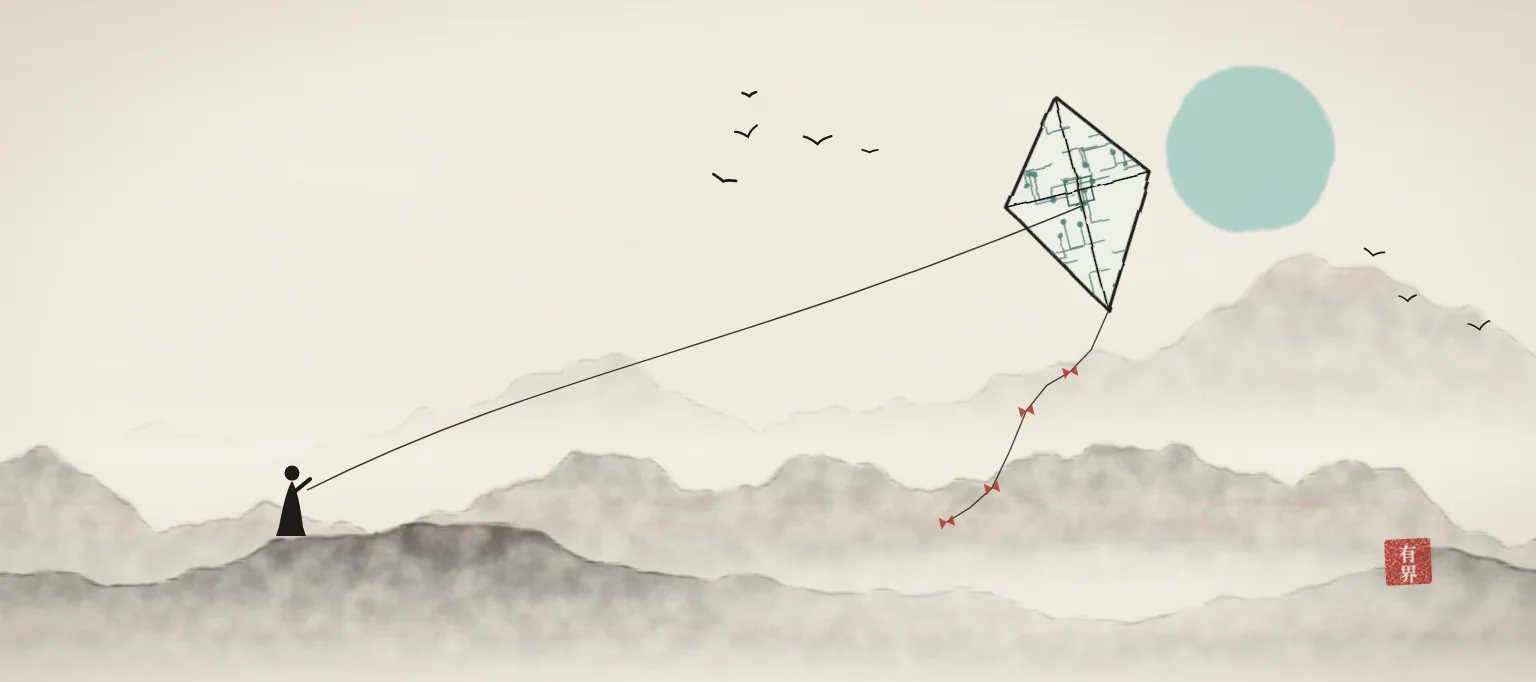 19 postsCapabilities may be open; actions must have bounds. AI regulation, platform responsibility, digital identity, work and its rewards: setting the rules once intelligent machines enter society, always with individual freedom as the point.Museums & Science Communication
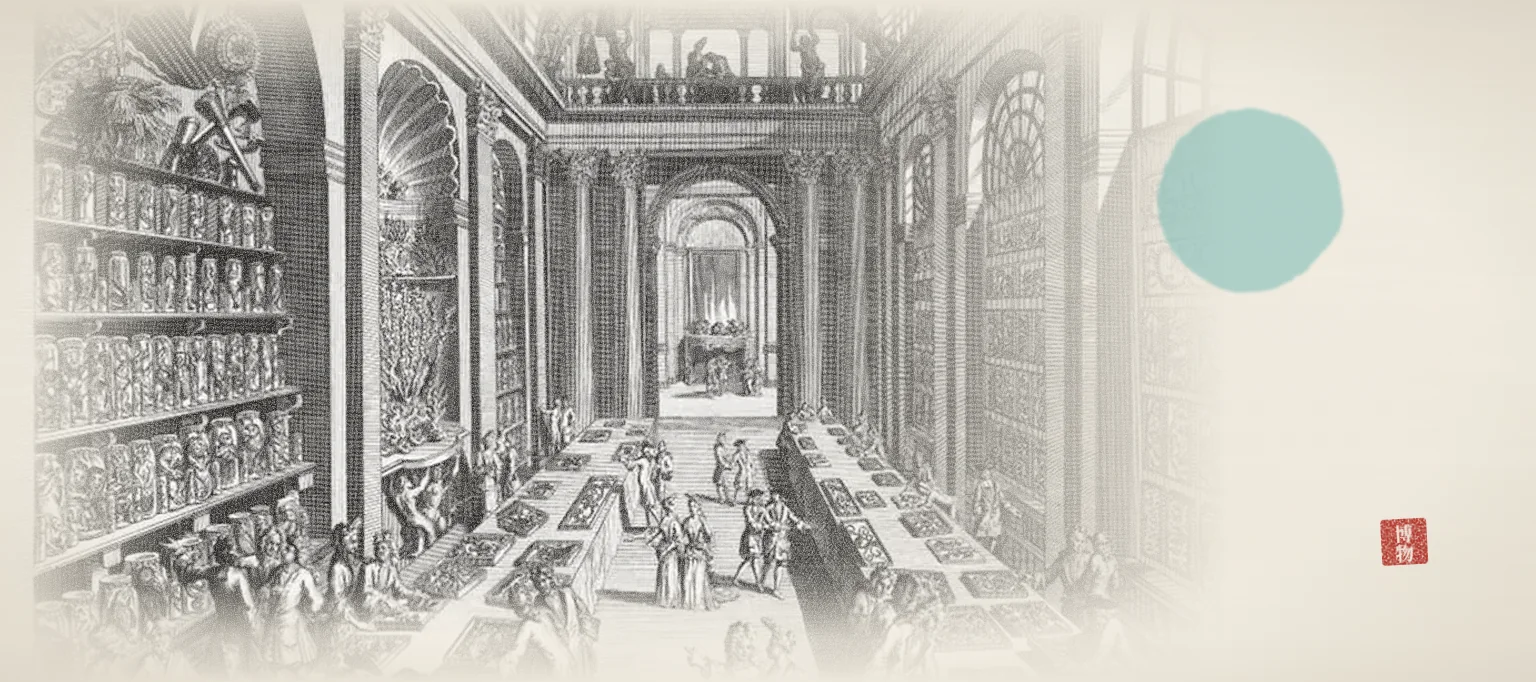 15 postsPopular science is not the delivery of conclusions. From the plight of science popularisation and China’s science literacy benchmark to object biographies, science centres and “please do not touch”: how science meets the public.Web3 & Bitcoin
 49 postsFrom the Bitcoin white paper to DAO experiments: the political philosophy of money, consensus, and digital communities.Enlightenment & the Spirit of Freedom
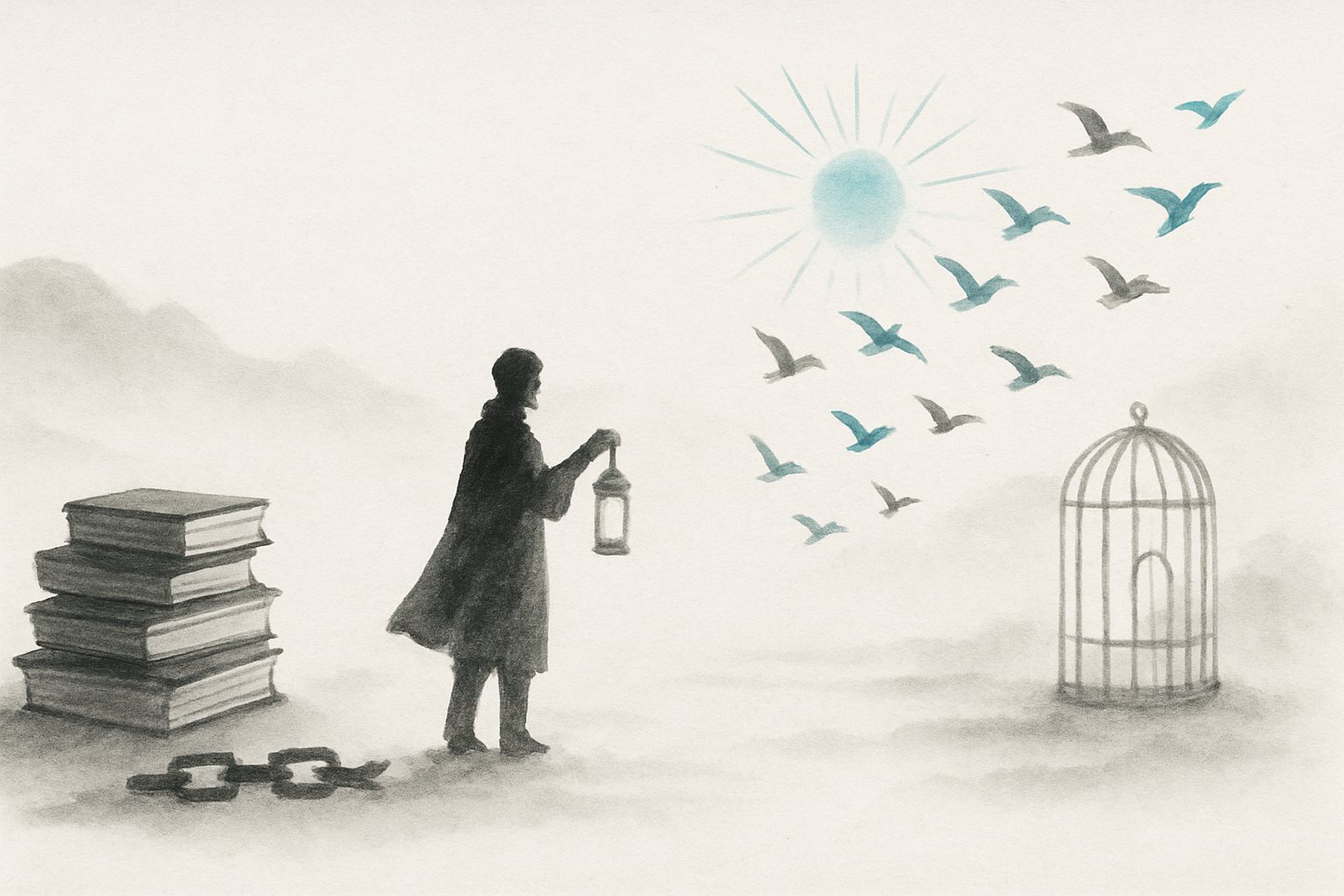 29 postsDo the people have a right to ignorance? Twenty years of reflection on enlightenment, speech, and the free order.Setting a Mind for AI
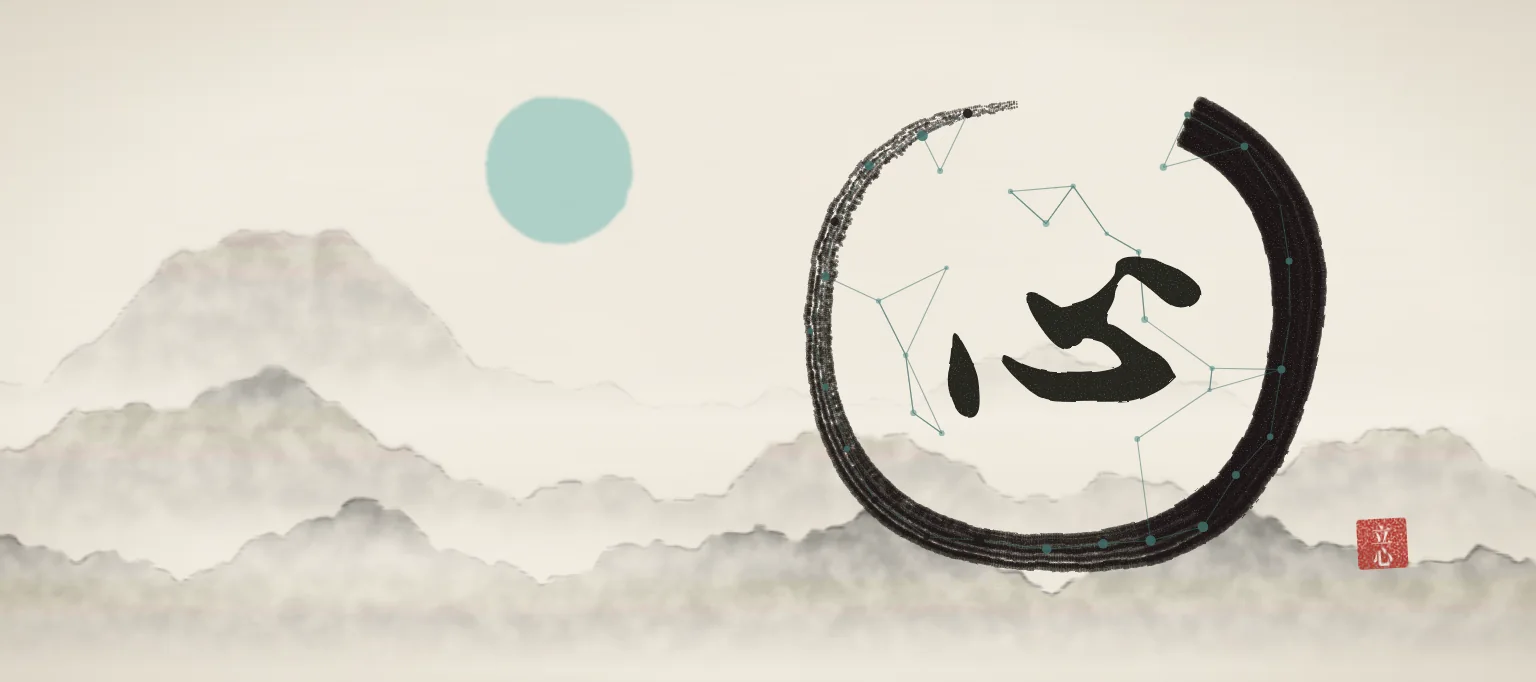 11 postsRather than ask whether AI has a mind, ask how we might give it one. From AlphaGo and technical intentionality to a broad learning of the mind, and experiments in doing philosophy with ChatGPT.AI & Scholarship
 12 postsWhen writing, research, and even peer review can be generated, what is left of scholarship and teaching? An ongoing inquiry into AI and the making of knowledge.Chinese Civilization & the Way of Chinese
 17 postsFrom traditional views of humanity and nature to Chinese characters on the blockchain: selected essays on Chinese cultural politics.Phenomenology & Heidegger
 27 postsFrom Husserl to Heidegger, from time-consciousness to the world of technology — a phenomenological thread of reading that starts with four sets of notes.History of Science & Technology
 25 postsHow science and technology became what they are: the Scientific Revolution, a general history of technology, and how such histories are written.
7 postsMigration, the city, raising a child and the everyday: a record of resettling a life in Singapore.Latest in this setThe Philosophy of Raising Children (I): How to Reason with ChildrenAI & the Free Society19 postsCapabilities may be open; actions must have bounds. AI regulation, platform responsibility, digital identity, work and its rewards: setting the rules once intelligent machines enter society, always with individual freedom as the point.Museums & Science Communication15 postsPopular science is not the delivery of conclusions. From the plight of science popularisation and China’s science literacy benchmark to object biographies, science centres and “please do not touch”: how science meets the public.Web3 & Bitcoin49 postsFrom the Bitcoin white paper to DAO experiments: the political philosophy of money, consensus, and digital communities.Enlightenment & the Spirit of Freedom29 postsDo the people have a right to ignorance? Twenty years of reflection on enlightenment, speech, and the free order.Setting a Mind for AI11 postsRather than ask whether AI has a mind, ask how we might give it one. From AlphaGo and technical intentionality to a broad learning of the mind, and experiments in doing philosophy with ChatGPT.AI & Scholarship12 postsWhen writing, research, and even peer review can be generated, what is left of scholarship and teaching? An ongoing inquiry into AI and the making of knowledge.Chinese Civilization & the Way of Chinese17 postsFrom traditional views of humanity and nature to Chinese characters on the blockchain: selected essays on Chinese cultural politics.Phenomenology & Heidegger27 postsFrom Husserl to Heidegger, from time-consciousness to the world of technology — a phenomenological thread of reading that starts with four sets of notes.History of Science & Technology25 postsHow science and technology became what they are: the Scientific Revolution, a general history of technology, and how such histories are written.