
This was originally just meant to be a casual Weibo post, but it grew longer, and since there were some sensitive words in it, I’m putting it here instead.
I have a profound aversion to that Swedish climate girl (Greta Thunberg), not because of her views or position, but because of her age. Some things simply should not be done by minors; no matter how precocious you are, it still won’t do.
For example, if you’re a genius girl, you can go to college early, you can publish a book early, but sorry, you cannot get married early, let alone trumpet your wonderful marriage to the whole world, even if your marriage really is wonderful.
Going on strike, skipping class, protesting—just like getting married—are freedoms for every adult. But sorry, not for children.
The thing that gives adults the right to strike and protest, and the thing that requires children to obediently study, is one and the same spirit: Enlightenment. Encouraging minors to skip class is to dissolve the meaning of adults’ right to skip class and strike.
Don’t tell me that children express their opinions more simply and straightforwardly; it’s only because their opinions happen to suit your tastes. More children have more straightforward opinions, and one of the most straightforward and most common of them is: “I don’t want to go to school.”
The freedom to protest is not the freedom to “protest correctly.” You cannot say that only when a person’s demand is correct does he have the right to protest. To judge the right to protest by a preset standard of correctness is despotism, not freedom. Protest matters precisely because “dissent” has meaning. So if a child has the right to protest for some claim you consider correct (the climate issue), then she should also have the right to protest for any other claim whatsoever (for example, not wanting to go to school).
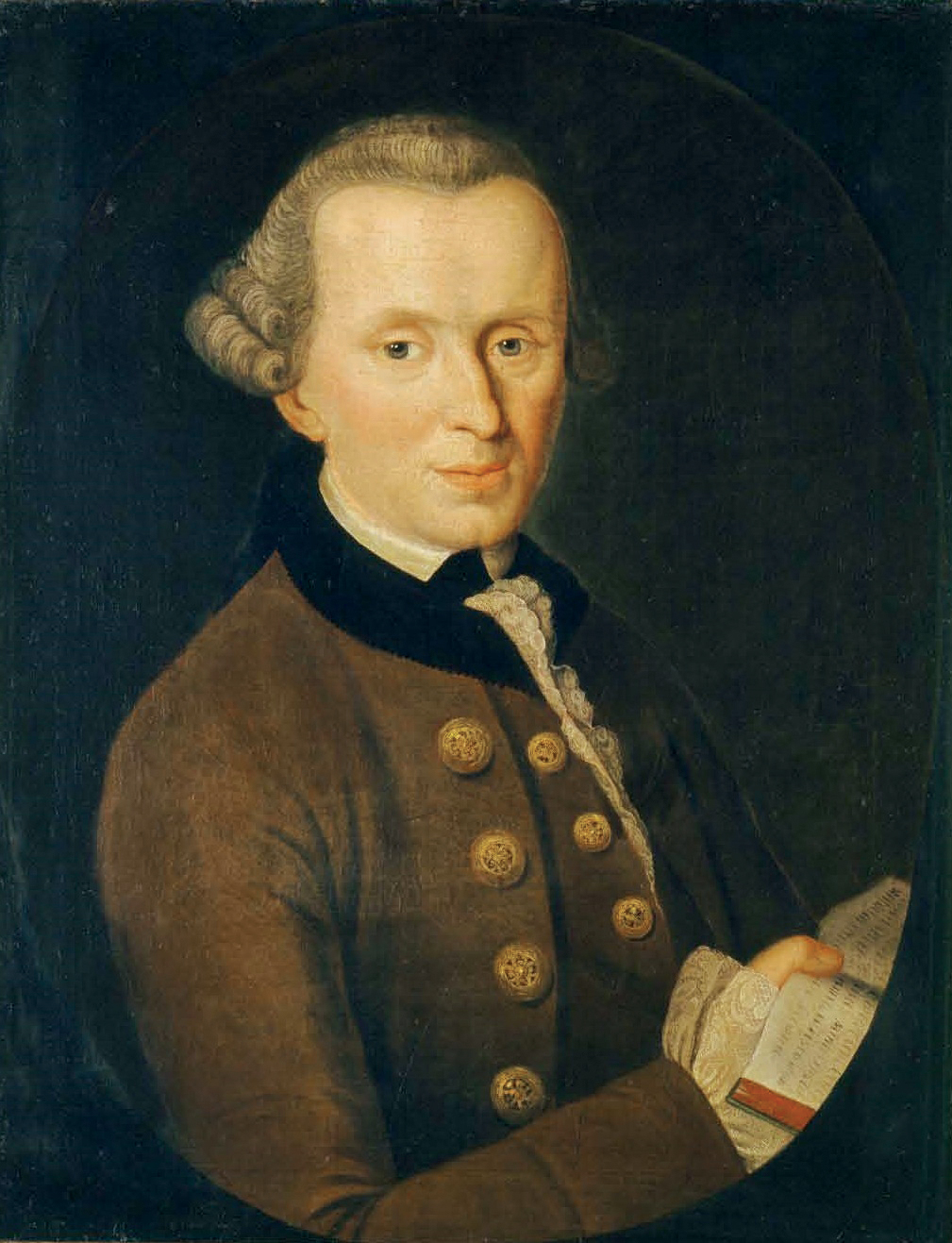
“Sapere aude” — dare to make bold use of your own reason — is the slogan of Enlightenment. But what is reason? Some people think global warming is happening; others think it isn’t. Who is more reasonable? There is no need to presuppose an authoritative standard: as long as one has won over “oneself,” one is reasonable. And the process of breaking free from others’ guidance and moving toward an independent personality is “Enlightenment”; for the individual, it is basic education.
Of course, the pace of education varies from person to person, just as the pace of growth and development varies from person to person. It is not impossible that a few individuals may reach maturity in mind and body at fourteen or fifteen, but such isolated cases cannot become models to be exalted. More importantly, she does not present herself to the world in the posture of an adult; what she presents throughout is the posture of a minor girl, using that posture to make a case, and using this so-called childlike candor to attack adults.
In this sense, Thunberg and Trump are the same sort of person: both are anti-intellectualists wearing the mask of “sincerity” (what is anti-intellectualism? Simply put, it means “taking pride in not studying”). The difference is that Trump is an adult, and he has the right to express his anti-intellectual stance; even opposing Enlightenment is protected by the spirit of Enlightenment. Thunberg, however, has no right to do so.
Trump and Thunberg jointly demonstrate the tragedy of our era—whether one supports environmental protection or opposes it, both sides are sliding into anti-intellectualism, both are retreating into “barbarism.” Trump’s bullying arrogance and Thunberg’s blunt sincerity are widely celebrated, while the spirit of Enlightenment has long since grown dim and lightless.
Translated from the Chinese original with AI assistance. The original text is authoritative.