

In general, for lectures, interviews, and the like, I’d prefer to wait until a written transcript comes out before reposting them to Suixuan. But recently some videos and audio recordings apparently won’t have written versions整理出来 by anyone, so I’m reposting them together here.
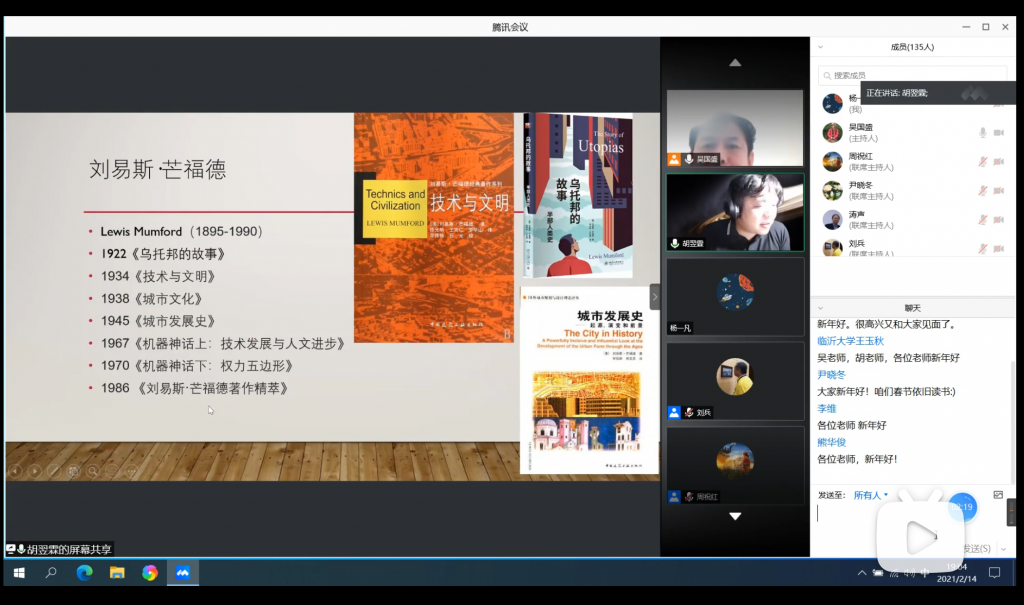
1. Reading Seminar of the General History of Science Curriculum Alliance, Mumford: A Guided Reading of Technics and Civilization (February 14, 2021)
https://www.bilibili.com/video/BV12k4y1276t?p=40
This video talk is the one I most recommend. Mumford’s Technics and Civilization is extremely important, and my reading of it was also very carefully prepared. I tried to distill from Mumford’s thought a historiography of the history of technology as thought, opening up a distinctive perspective on the history of technology. In terms of opening up a historiographical approach, Mumford stands to the history of technology as Koyré stands to the history of science. Of course, many people may not yet have absorbed Koyré’s work, and still can’t sort out the difference between Koyré’s sense of “internal history” and the history of science’s intellectual content history (which I call “middle history”), so the line of thought here may not be easy to accept.
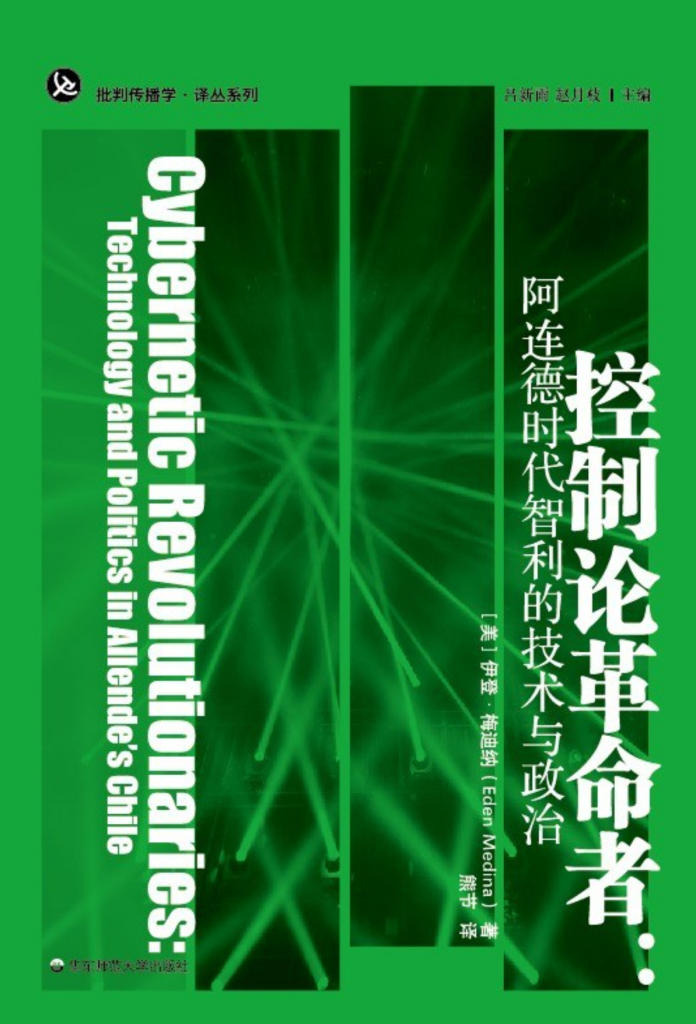
2. Cybernetics, Art, and Digital Culture, Episode 2: Cybernetic Revolutionaries (A dialogue between Xiong Jie and Hu Yilin) (December 27, 2020)
https://www.zai-art.com/appwrapper_dist/appShare/live.html?id=b070208299174475b01a2eecbbc00dba (If you open this in WeChat, you can watch the replay; on a computer there seems to be some problem.)
This was an event held at the UCCA Center for Contemporary Art, organized and hosted by Teacher Wei Ying. I was in conversation with Xiong Jie, the translator of Cybernetic Revolutionaries. Cybernetic Revolutionaries is a very distinctive book, depicting the unique development in Chile of cybernetic technologies and the ideas related to them. I recommended this book to students interested in studying the history of modern and contemporary technology in China. The way this book is written is quite inspiring: it destabilizes a linear, continuously progressive view of technology, and instead focuses on the political and local character of technology. It offers a useful reference for understanding the localized development of Western science and technology in China.
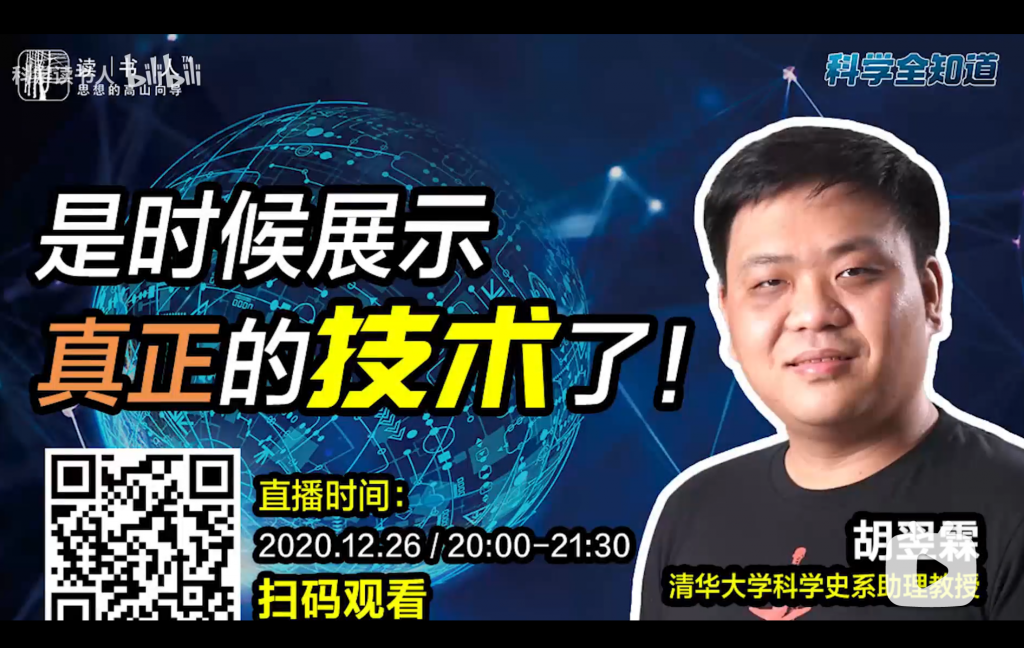
3. Bilibili “Readers” Column: What Is Technology (December 26, 2020)
https://www.bilibili.com/video/BV1cA411x7w3
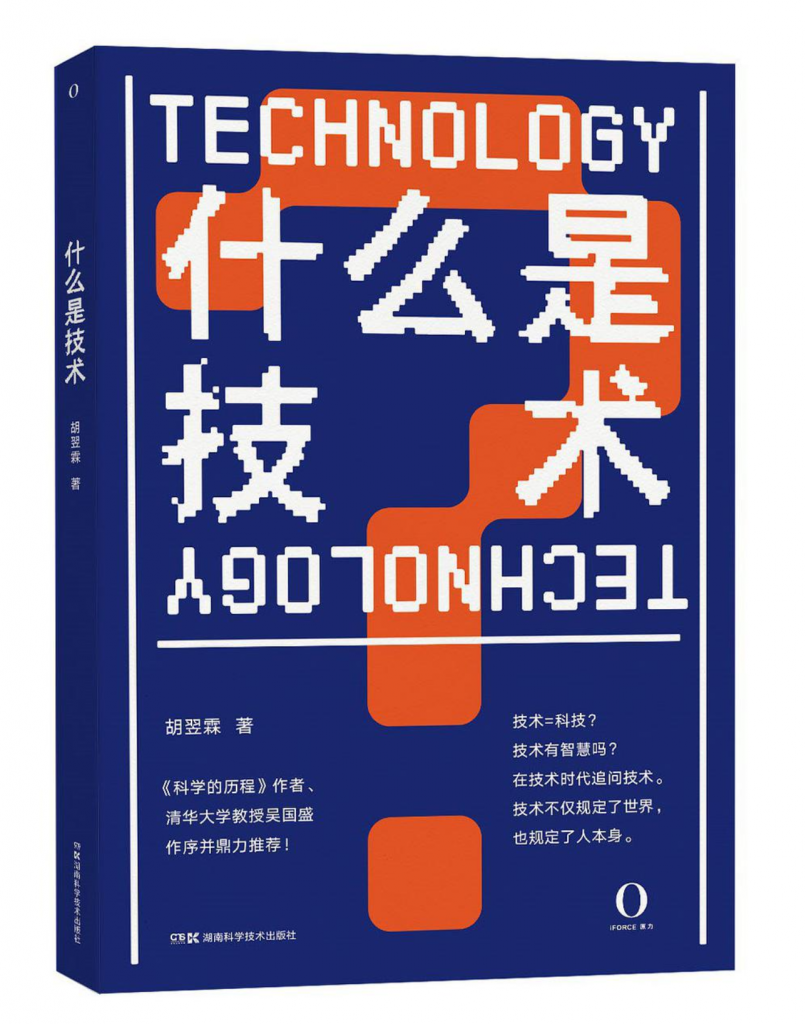
After What Is Technology was published, I often had to do “forced appearances,” because the publisher had high hopes for this book and contacted many promotional channels. After all, they were helping publicize me, and I felt awkward refusing, so there were some programs specifically promoting my new book. Of course, whenever I take part in such programs, I’m also very serious, and I can guarantee that I don’t repeat myself.
This episode was done on Bilibili, so I started with a classic old gaming meme: “It’s time to show some real technology.” What does “technology” mean in that phrase? Is it the same thing as the “high technology” or “information technology” we often talk about? Why are the bodily techniques employed when playing games and the electronic technologies on which games rely both called technology, yet seem to mean two different things? I used this as the starting point for discussing the question of what technology is.
4. Beijing Story Radio: The Flavors of the New Year, the Fragrance of Books, Chinese Style — Technology (February 15, 2021)
https://mobile.tingtingfm.com/v3/vod/2/polrszbkkJ
Forced appearance, part two: still promoting What Is Technology. This was a program on a radio station, and it fit the theme of the Chinese New Year by beginning with Chinese technology. Chinese technology is not the theme of my book, but it is indeed one of my book’s hidden concerns. I hope to change the view of technology inherited from the Western colonial era, this “will to power” in technology; I hope that China’s rise in the field of technology will not be the rise of a new hegemonic empire, but truly a revival of the civilization of ritual and music.
Translated from the Chinese original with AI assistance. The original text is authoritative.